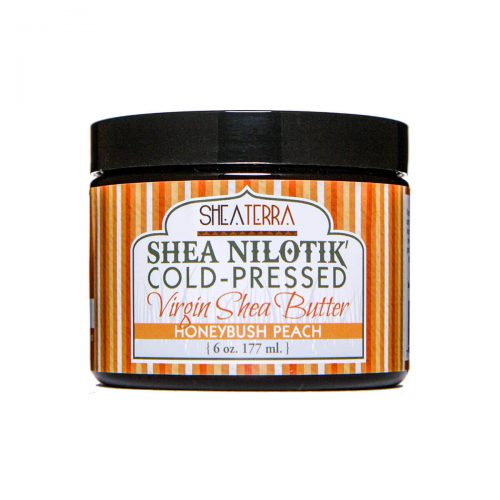
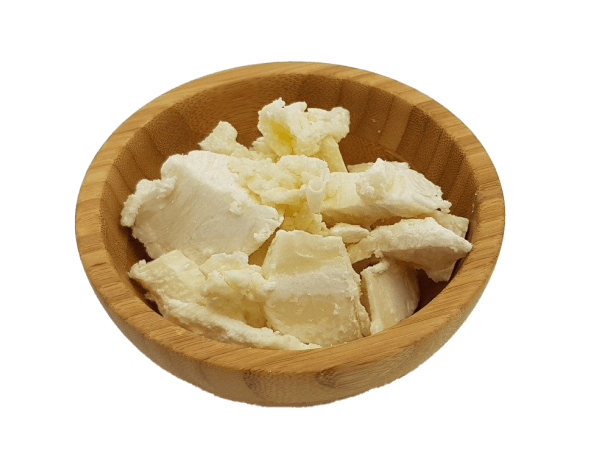
Unlike West African shea butter, this East African shea butter has higher olein content. That gives it a softer, cream-like texture & hence easier to spread on the skin. As you spread it on your skin, the butter will just melt away & disappear into the skin without leaving any greasy residue. For those reasons, nilotica shea butter is the most ideal butter to be used for delicate areas like our hair, face & hands. Its fast absorption is also a plus point for parents with young kids or babies. They will find the nilotica shea butter more convenient to apply on their children, especially when they are actively moving around.
The main reason for the rarity & lack of awareness on this remarkable shea butter is due to its limited supply. The shea belt across central Africa whereby shea trees grows wildly & uncultivated, comprises of roughly 20 countries. Among that many countries, only 2 of them produces the nilotica shea butter i.e. South Sudan & Uganda. To make matter worse, those 2 countries were plagued by many years of civil war.
Therefore, it is difficult to source for reliable & high quality shea butter from there. For those who managed to find a source, it is a logistical challenge to export the butters out of those countries. The nature of the shea tree also contributes to its rarity. It takes anywhere from 20 to 50 years before the trees start to bear fruits. Even then, only the female trees will bear fruits. Thus, large scale cultivation of shea trees is very unlikely.
Our nilotica shea butter comes from a women cooperative in Northern Uganda. Uganda was plagued by civil war for a long time & many family fled their homes to escape from the war. The women cooperatives play a critical role by enabling the women refugees to be independent & sustain themselves by selling high quality nilotica shea butter. As long as they provide high quality & therapeutic shea butter that heals people’s skin, there will be continuous demand which ensures a steady income.
It is utmost important to source for reliable high-quality shea butter. A large part of the Shea Belt in Africa is hot & dry with little water. Hence, until a while ago, people prefer to use refined shea butter instead. That’s because the refinement process will kill germs & bacteria from the less hygienic waters used during the shea butter traditional extraction process. But sadly, the refinement process also destroys the nutrients in the shea butter. Some shea butters are heavily refined until there’s little to no more healing benefits in it anymore. However, with the introduction of cold pressed shea butter recently, this is the favoured method of extraction now. The butter is pressed out of the shea nuts with no heat involved, thus retaining all the goodness of the shea butter intact.
Shea Terra was among the earliest to offer cold pressed nilotica shea butter out of Africa at a reasonable price. As we are sourcing fair-traded shea butter from reputable women cooperative, the quality & hygiene of the butter is assured. Fair trade practices ensure fair wages, hygienic or conducive working conditions & environmental responsibility. The shea collectors have the best interest to continuously produce superior quality shea butter at all time. Being priced fairly has allowed more people to be able to afford this luxurious cold pressed butter too. That creates a larger & consistent demand that helps to secure a stable livelihood for the war refugees.